Ohio’s Political Landscape: Is Trump’s Coalition Losing Ground?
Ohio, often regarded as a bellwether state, has witnessed significant political realignment in recent years. Historically a competitive purple state, it has transformed markedly during Donald Trump’s presidency, leaning heavily red. The Mahoning Valley, once a bastion of Democratic support, encapsulates this transformation. As the midterm elections approach, the question arises: Is Trump’s coalition cracking?
In the past, the Mahoning Valley was synonymous with blue-collar union workers and a reliable Democratic vote. But today, that narrative is shifting. Chris Anderson, the Mahoning County Democratic chairman, is banking on disillusioned Trump voters to help elect Ohio’s first Democratic governor in 15 years and to flip a critical Senate seat from red to blue. He argues that many constituents feel they were "conned by a con man."
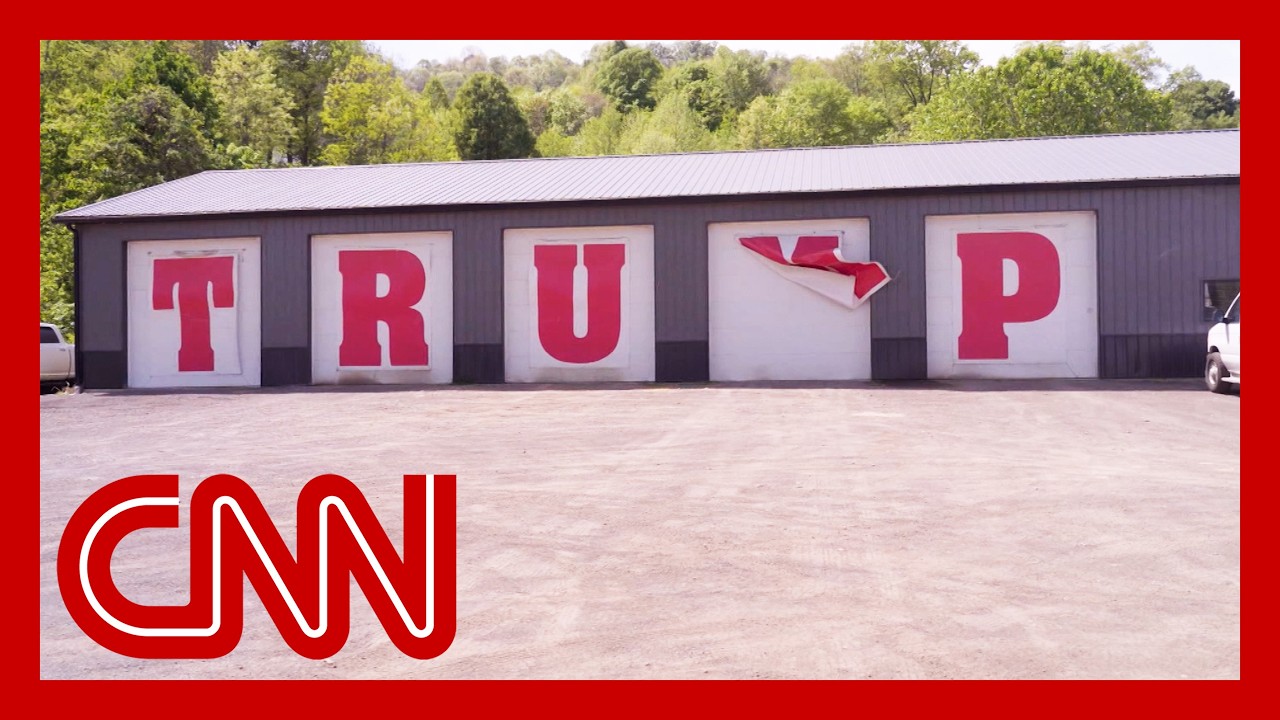
Evidence suggests a changing tide. Anderson points to a notable reduction in visible Trump signs and paraphernalia in the region, a stark contrast to the eight years of overwhelming visibility. However, while fewer flags and MAGA hats are observed, it remains uncertain if this shift is substantial enough to indicate a broader fracture within Trump’s support base.
The closure of the General Motors plant in Lordstown in 2019 serves as a poignant reminder of broken promises. After five decades of operation, the factory’s shutdown, despite Trump’s assurances of job preservation, left the community in a state of flux. Although new factories have emerged, like Foxconn’s facility on the GM site and Altium Cells—joint EV battery ventures between GM and LG Electronics—employment levels have yet to soar. Currently, production is halted at the Altium plant, leaving many former auto workers in limbo.
Bob Swagger, a leader at Local 1112 United Auto Workers, reflects the frustration of those who feel abandoned. The union’s endorsement of candidates has fluctuated, but a significant number of its members continued to support Trump. Swagger emphasizes the hope that Trump’s tariffs would restore jobs, but this has not materialized. Since Trump assumed office, manufacturing jobs in Ohio have decreased, casting doubt on the “Make America Great Again” promise.
Conversely, some individuals have experienced a political awakening. Mark Skines, a former Tea Party supporter turned independent after witnessing the divisive nature of the current political climate, believes that change is on the horizon. Despite retaining friends who staunchly support Trump, Skines expresses optimism that a significant conversation is developing among veterans and constituents alike, one that may fracture traditional Republican allegiances.
Rural Ohio remains predominantly conservative, and any signs of discontent could signify a larger transformation. Bill Crustling, a farmer wrestling with financial burdens and healthcare issues, remains supportive of Trump but harbors frustrations towards both parties regarding unresolved national problems. He emphasizes the disconnection politicians have with everyday life.
Portsmouth, located along the Ohio River, reveals another layer of shifting attitudes. Dell King, a gym owner and military veteran, is experiencing his own disillusionment. Despite having voted for Trump, he plans to support Democrats in the upcoming elections, believing it’s essential to send a midterm message to the former president regarding the ongoing conflict in the Middle East. King hopes that growing conversations among veterans indicate a change in perception about Trump’s leadership.
As the political landscape in Ohio evolves, the midterm elections will serve as both a referendum on Trump and a test for the Democratic Party. The challenges Democrats face remain significant; Trump won 81 of 88 counties in the last election. Yet, many in the Democratic camp see potential. Economic pressures, such as rising energy and living costs, are paramount issues, with many constituents struggling to keep pace with wage stagnation.
In the face of adversity, Ohio’s shifting political landscape offers a glimmer of hope for Democrats. The reality is that, while 81 counties were won by Trump, the increasing dissatisfaction among various voter segments suggests that no electoral outcome can be taken for granted. As the midterm elections approach, the question isn’t just about party alignment—it’s about the evolving narrative of a state that has long held the pulse of American politics. The resonance of broken promises and calls for accountability may ultimately redefine how Ohio votes in November.